
Are the Himba Endangered? Threats to Their Culture in Namibia

Quick answer
The Himba are not endangered as a population, but their traditional way of life is under pressure. Drought, planned dams on the Kunene River, cattle lost to predators and young people moving to towns all threaten Himba culture. Respectful cultural tourism brings income that helps families keep their traditions.
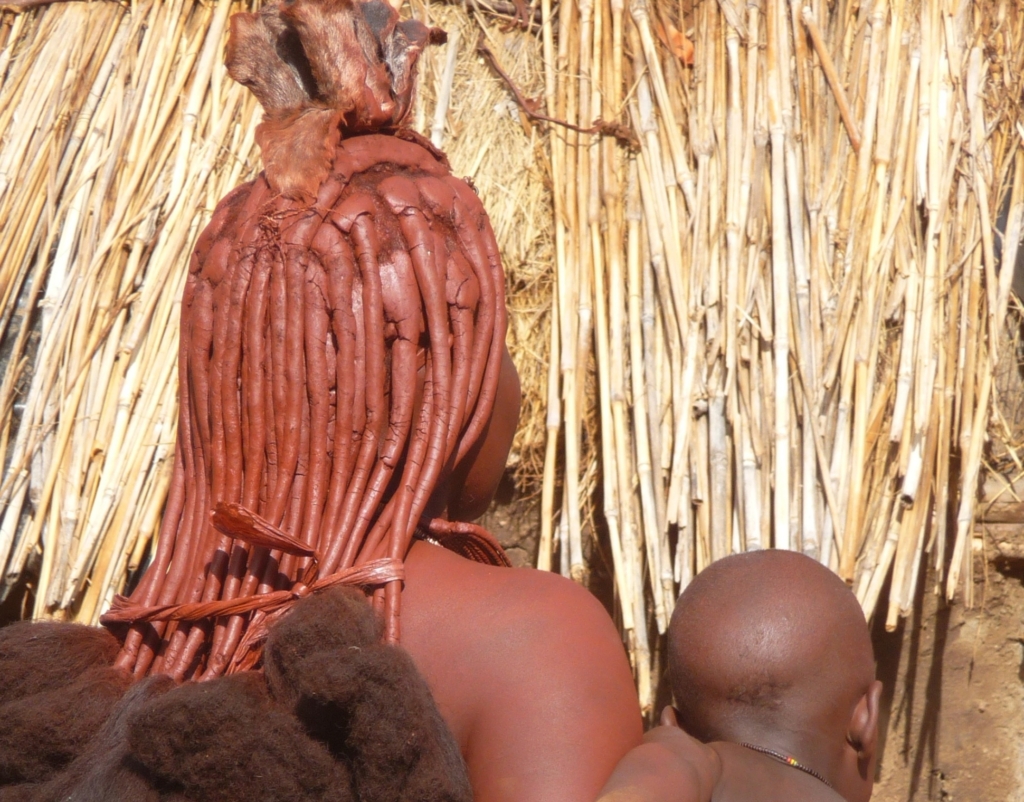
The Himba, also called OvaHimba, are a pastoral, semi-nomadic tribe living in northern Namibia. They are known for their unique cultural customs, including their traditional clothing, detailed hairstyles, and red ochre body paint.
The Himba are respected for keeping their culture despite challenges like political unrest and drought.
The Himba are considered an endangered people due to the pressures of modernization and environmental problems, though their population is not critically low, with estimates between 30,000 and 35,000.
Their traditional way of life and cultural identity face many threats.
Modern society, with changes in education that may not respect their culture and the need for jobs in towns, is causing many to leave traditional practices.
Severe droughts and resource use, including possible dam projects on the Kunene River, threaten their semi-nomadic lifestyle and sacred sites.
There is often not enough compensation for cattle lost to predators, and a lack of government support for their traditional ways of living adds to their challenges.
As younger generations move to towns for work or school, the passing down of traditional knowledge and practices can decline.
Despite these challenges, there are efforts to help preserve Himba traditions through eco-tourism and cultural tourism, which can give economic support while protecting their culture.
Visiting the Himba is an experience you will not forget. They welcome visitors and allow them to learn about their beliefs and way of life.
You will see how they care for their cattle and make ochre jewelry and body paint. You may also be invited to join in a traditional dance or music performance.
One of the special features of the Himba is their matriarchal system, where women play a key role in making decisions, and inheritance is passed down through the mother’s side of the family.
Frequently asked questions
How many Himba are there?
Estimates range from about 30,000 to 50,000 people. Most live in the Kunene Region of northern Namibia.
What threatens the Himba way of life?
Long droughts, possible dam projects on the Kunene River, cattle lost to predators with little compensation, and young people leaving for school and jobs in towns.
Does tourism help the Himba?
Yes, when it is respectful. Eco-tourism and cultural visits bring income to villages and give families a reason to keep their traditions.
Can I visit a Himba village?
Yes. Many Himba villages welcome visitors. Go with a local guide who translates and introduces you to the family.


