
 Price on request
7-Day Namibia Desert Safari & Etosha Wildlife Tour
A guided 7-day camping safari from Windhoek to Sossusvlei, Swakopmund, a Himba village and Etosha.
Guided Namibia itineraries that include time with the Himba and other communities. Book as listed or ask for a tailor-made version.
Want something different?
Every trip can be changed. Tell us your dates, budget and interests and we will build it around you.
Plan a tailor-made trip Price on requestA guided 7-day camping safari from Windhoek to Sossusvlei, Swakopmund, a Himba village and Etosha.
 Price on request
A guided 10-day safari from Windhoek to Etosha, a Himba village, Damaraland, Swakopmund and Sossusvlei.
 From $185 per person
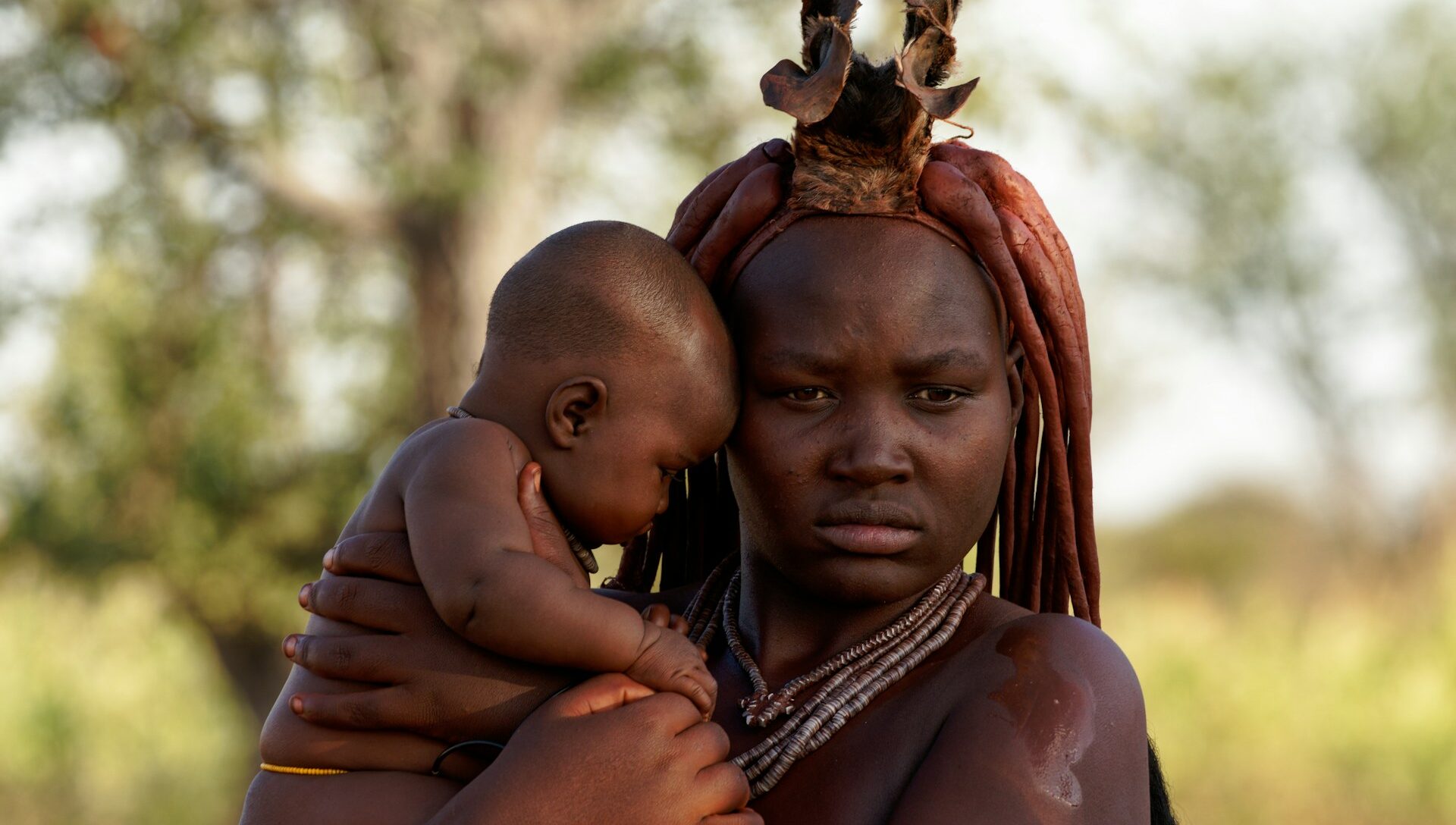
Meet a Himba family, learn about otjize, cattle and daily life, with time for questions and photos taken with consent.
Check availabilityNo packages match those filters yet, but we can build one for you.
Ask for a tailor-made tripPlanning a community or cultural tour in Namibia? Namibia has many interesting tribes you can visit, including the Himba, San and Kavango people. These communities live in different parts of the country, many of them near popular national parks and attractions.
The tour packages below are designed to help you connect with these communities. You will learn about daily life, join local activities and dance, and even go hunting with some of them. Choose a package above or ask for a tailor-made trip.
About 60% of Namibia’s people live in the northern parts of the country. The southern and coastal areas are mostly empty. The Owambo people are the largest of Namibia’s eleven ethnic groups.
Namibia is still building its national identity, but each ethnic group has a long history and its own customs.
Talking about people by cultural or tribal group can be sensitive because of the country’s apartheid history. Many people prefer to be called Namibians.
Major Tribes of Namibia
Here are some of the major tribes in Namibia:
The Owambo: The Owambo make up about one-third of Namibia’s total population. The name refers to twelve tribes living in southern Angola and northern Namibia. They are the biggest group in the country.
The Kavango: The Kavango live along the Kavango River in northeastern Namibia. This river also marks part of the border between Namibia and Angola.
The Herero: The Herero are cattle farmers. They are believed to have arrived in Namibia around 350 years ago after moving from East Africa.
The Himba: The Himba are a nomadic group living in the Kaokoland region. They raise livestock and follow a traditional lifestyle.
The Damara: There are around 100,000 Damara people in Namibia. Although they are not related to the Nama, they speak a similar language.
The Nama: The Nama originally lived in southern Namibia and northern South Africa near the Orange River. In the mid-1800s, their leader, Jan Jonker Afrikaner, led them to what is now Windhoek.
The Topnaar: The Topnaar are a group within the Nama. They live near Walvis Bay along the Kuiseb River in the western part of central Namibia.
The Rehoboth Basters: There are over 55,000 Basters in Namibia. They are the children of Dutch and Nama settlers. In the past, they were called “colored” or “basters.”
The Caprivians: About 100,000 Caprivians live along the Kwando and Zambezi rivers in the Caprivi Strip in northeastern Namibia.
The Bushmen/San: There are about 27,000 San people in Namibia. They have lived in southern Africa for over 30,000 years. Their ancient rock art can still be found across the region.
The Tswana: The Tswana are Namibia’s smallest ethnic group, with just over 6,000 people.
The White People: Namibia has about 75,000 people of European origin. Around two-thirds speak Afrikaans, 25% speak German, many speak English, and a few speak Portuguese.
Best Community Tourism Destinations in Namibia
Namibia offers many cultural experiences, from coastal towns to living museums and ancient rock art. Some of the top places to explore on a cultural safari include:
Twyfelfontein: This UNESCO World Heritage Site has over 5,000 rock carvings and 200 rock paintings. It shows the long history of the San people.
Living Museums: There are several Living Museums in Namibia. These include the Damara, Ju/Hoansi, Khwe, and Ovahimba Museums. Visitors can learn about traditional crafts, daily life, and culture.
Swakopmund: This coastal town shows a mix of cultures from its German colonial past. You can explore old buildings, taste local food, and learn about its history.
Kolmanskop: Once a diamond mining town, Kolmanskop is now empty. It gives a look into Namibia’s mining history and German influence.
Damaraland: This area is important for the Damara people. Visitors can explore rock formations and visit the Damara Living Museum. The area is also known for its natural beauty.
Zambezi Region: This area has many animals and is home to ethnic groups like the Mafwe and Mbunza, who keep strong cultural traditions.
Windhoek: Namibia’s capital city shows both old and modern influences. You can visit the Christuskirche, the Independence Memorial Museum, and the National Museum.
Cape Cross: This place is known for its seal colony. It is also where Portuguese explorers first landed and made contact with Namibia.
Lüderitz: This coastal town has German buildings and a history of diamond mining. It is another place where you can learn about Namibia’s past.
Tell us your dates and group size. We will match you with a trusted local guide and send a tailor-made Himba village tour with a clear price.